Choosing the right ceiling material is crucial for any Sri Lankan home, directly impacting appearance, durability, and long-term maintenance. Polyvinyl Chloride (PVC) ceiling panels have become a popular choice across the island, largely due to their ability to handle the local climate. Understanding the specific advantages and disadvantages of PVC ceilings is key to making an informed decision for your space.
A PVC ceiling is a lightweight and durable ceiling solution made from a plastic-based material called Polyvinyl Chloride. These panels offer a clean finish and are often used to create a false or suspended ceiling. Sivilima’s i-Panel series, for example, is made from a composite of 45% PVC and 55% calcium carbonate for optimal performance.
The Key Advantages of Choosing PVC Ceiling Panels
For homeowners in Sri Lanka, the benefits of PVC often align perfectly with the challenges of the tropical climate. The advantages of PVC ceiling panels make them a practical and reliable option.
Completely Waterproof and Humidity-Resistant
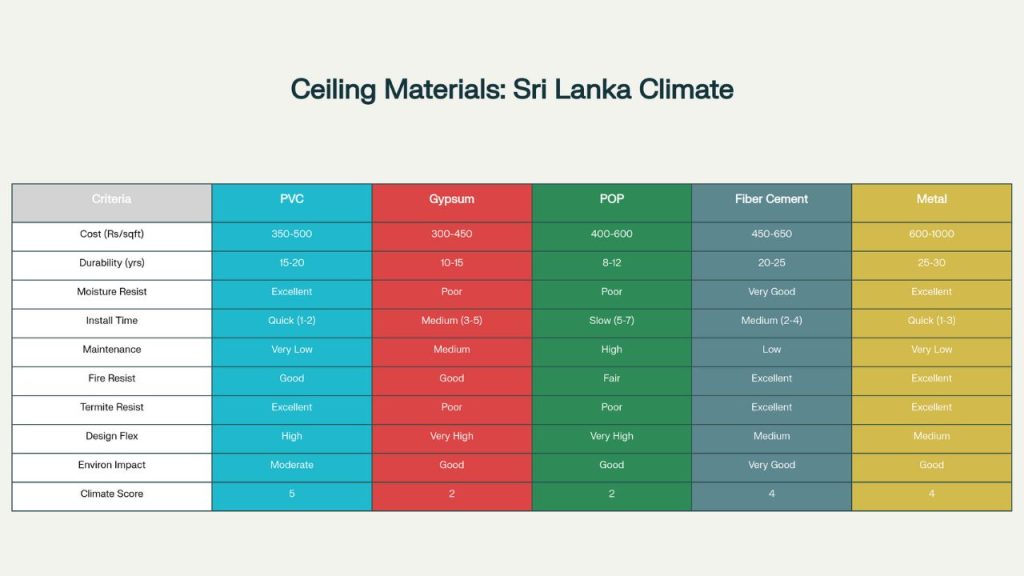
One of the most significant advantages of PVC is that the panels are 100% waterproof. In Sri Lanka’s high-humidity environment and during heavy monsoon seasons, materials like gypsum can absorb moisture, leading to stains, sagging, and mildew growth.
PVC panels are non-absorbent, making them the ideal ceiling material for areas prone to moisture like the bathroom, kitchen, and outdoor verandas. This resistance prevents the growth of mould and mildew, ensuring a cleaner, healthier living environment.
Durable and Resistant to Pests
Sivilima’s i-Panel PVC ceilings are highly durable and designed to last for years without warping or bending. A key benefit in the Sri Lankan context is their immunity to termites and other pests that can severely damage traditional ceiling materials such as wood. The synthetic nature of polyvinyl chloride means the panels won’t rot or decay, even in damp conditions.
Low Maintenance and Easy to Clean
Unlike other ceiling materials that require periodic painting or specialised cleaning, PVC panels are incredibly low maintenance. A simple wipe with a damp cloth is all that is needed to remove dust and grime, keeping the ceiling looking fresh. Because the colour is integrated into the material, it won’t fade or need repainting. The panels are easy to clean and maintain their look for years.
Quick and Easy Installation
PVC ceiling panels are lightweight and easy to handle, which simplifies the installation process. Most panels, including the Sivilima i-Panel range, use a tongue-and-groove system. This interlocking design makes pvc ceiling panel installation much faster compared to gypsum boards, reducing both labour time and costs. The ease of installation means a room’s ceiling can often be completed in a single day.
Wide Variety of Designs and Finishes
Modern PVC ceiling panels come in a variety of designs, colours, and finishes. Homeowners can choose from simple matte white finishes to realistic wood grain patterns that mimic teak, mahogany, and nadun. This versatility in interior design allows for creative freedom, whether you are aiming for a modern, minimalist look or a classic, traditional feel. Sivilima offers a wide range of designs across its i-Panel and i-Plus series to suit any aesthetic.
Understanding the Disadvantages of PVC Ceiling Panels
While there are many pros, it is also important to consider the cons of PVC panels to determine if they are the right fit for your specific needs.
Appearance Can Look Artificial
Although pvc panels come in a variety of finishes, some people find they have a slightly plastic or artificial appearance compared to natural materials like wood. In high-end homes or projects aiming for a completely natural aesthetic, the subtle joint lines between the panels may be more noticeable than the seamless finish of a POP or gypsum ceiling.
Limited Heat Resistance
Standard PVC ceiling panels can be sensitive to high temperatures. Direct exposure to extreme heat can cause the panels to warp or get damaged. It is important to avoid using heat-emitting bulbs or light fixtures that sit flush against the ceiling surface. Using LED lights, which generate very little heat, is a simple way to prevent this issue. Many modern pvc ceiling panels are designed to be fire-retardant, but they can still melt when exposed to intense fire.
Environmental Concerns
PVC is a synthetic material derived from plastic, and its production has an environmental footprint. However, this is balanced by the material’s durability and long lifespan, which reduces the need for frequent replacements.
Choosing PVC as a wood substitute helps in forest conservation. Idea Group, the parent company of Sivilima, operates a dedicated recycling plant to create a circular economy for its i-Panel and i-Roof products, processing both production leftovers and post-consumer waste.
Not a Structural Material
It’s important to remember that a PVC false ceiling is a decorative finish, not a structural component. The panels cannot support significant weight. Any heavy light fixtures, chandeliers, or ceiling fans must be securely anchored to the main structural ceiling above, not to the PVC panels themselves.
Comparison Between PVC and Gypsum Ceilings in Sri Lanka
For a more detailed breakdown, you can read our complete guide comparing PVC Ceiling vs POP and Gypsum.
| Feature | PVC Ceiling Panels | Gypsum Ceiling |
|---|---|---|
| Water Resistance | 100% Waterproof. Excellent for humid areas. | Prone to moisture damage, stains, and mould. |
| Durability | Termite-proof and does not rot or decay. | Can be damaged by termites and moisture over time. |
| Maintenance | Low maintenance; easy to clean with a damp cloth. | Requires periodic painting and can be difficult to clean. |
| Installation | Quick and easy to install due to lightweight panels. | More complex and time-consuming installation. |
| Design | Variety of designs and pre-finished colours. | Offers a seamless finish but requires painting. |
| Cost | Generally more affordable, with lower labour costs. | Material costs can be similar, but installation is costlier. |
Is a PVC Ceiling the Right Choice for Your Home?
The choice between PVC ceiling panels and other materials ultimately ceiling depends on your priorities, budget, and the specific application.
PVC ceilings are an excellent choice for:
- High-humidity areas: Bathrooms, kitchens, laundry rooms, and balconies.
- Coastal homes: The panels are resistant to the salty, moist air that can damage other materials.
- Commercial spaces: Offices, shops, and restaurants benefit from the low maintenance and durability.
- Budget-conscious projects: The combination of affordable materials and lower installation costs makes it a very cost-effective ceiling solution.
For homeowners in Sri Lanka, the powerful combination of water resistance, durability, and low maintenance makes PVC a practical and long-lasting option. With a wide range of i-Panel and i-Plus ceiling panels available, Sivilima provides a solution for nearly any interior design scheme. You can find the perfect match for your home by exploring our extensive collection of PVC ceiling panels.