Damage to your vinyl floor doesn’t automatically mean a costly replacement. Most common issues with vinyl plank flooring, from minor scratches to peeling corners, are fixable with the right tools and techniques. This definitive guide provides a complete, step-by-step walkthrough for repairing vinyl flooring, helping you tackle any problem and keep your floors looking their best.
Understanding Common Issues Before You Repair Vinyl Flooring
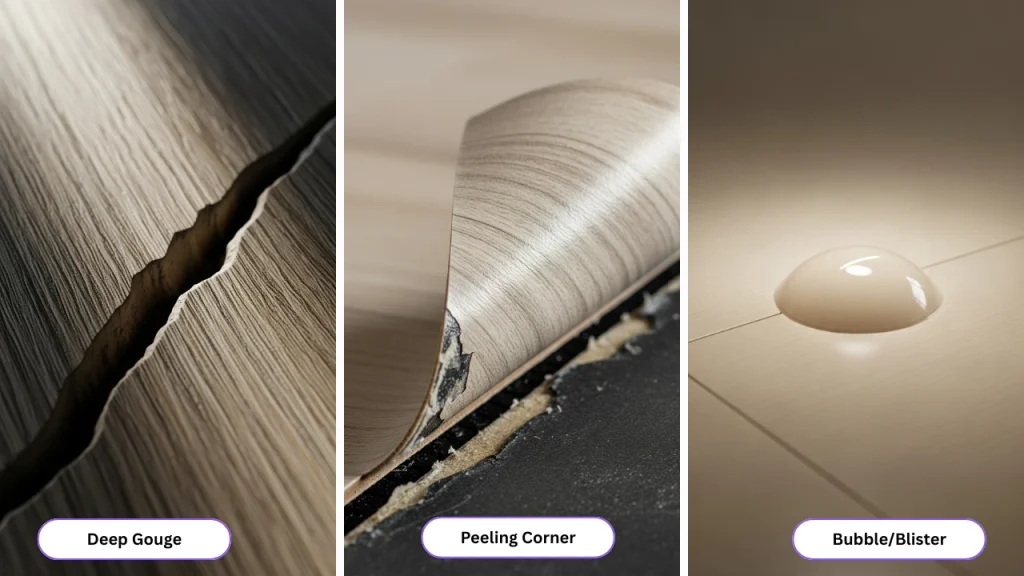
The first step to fix vinyl flooring correctly is identifying the problem. Different types of damage require different methods. Here are the most frequent problems you’ll encounter with a vinyl plank, vinyl tile, and sheet vinyl floor.
Scratches and Gouges
A scratch is a surface-level mark, while a gouge is a deeper cut that has removed a piece of the vinyl floor. Both are often caused by dragging heavy furniture, pet claws, or dropping sharp objects.
Tears and Burns in Sheet Vinyl
Tearing can happen when moving heavy appliances. Burns are typically from dropped cigarettes or hot items, leaving a discolored, melted spot on the surface.
Bubbles and Flooring Lifting
This issue often results from improper installation or adhesive failure over time. In Sri Lanka’s climate, excessive moisture is a leading cause of bubbles and flooring lifting. You might see raised bubbles in the middle of a plank, or corners peeling up from the subfloor. Bubbles are particularly common in areas like bathrooms. Proper installation is the best prevention, and for new projects, our installation guides provide detailed steps.
Your Toolkit: Essential Supplies for Repairing Vinyl Flooring

Having the right materials on hand makes the repair process smoother. While some jobs only need a couple of items, this list covers the tools needed for most types of repair vinyl jobs.
Basic Tools for Most Repairs
- Utility Knife: Essential for precise cutting of patches and damaged sections.
- Putty Knife: Needed for applying filler and adhesive.
- Fine-Grit Sandpaper: To smooth filler compounds and buff away light scratches.
- Clean Cloths: To remove any dirt and clean the area before and after the repair.
Adhesives and Repair Kits
- Vinyl Flooring Adhesive: The specific glue needed to secure peeling vinyl flooring in place or install patches.
- Vinyl Repair Kit: Often includes a color-match filler compound for fixing a deep scratch or gouge.
- Clear Seam Sealer: Used to create a waterproof and seamless seal around patches or repaired seams.
- Pro-Tip for Sri Lanka: Due to high ambient humidity, always choose a high-quality, moisture-resistant vinyl flooring adhesive. This helps prevent premature peeling and adhesive failure.
A Step-by-Step Guide to Vinyl Scratch Repair
Scratches from regular wear and tear are frequent but often the easiest to fix. The method for this scratch repair depends on the depth.
How to Fix Minor Scratches on Your Vinyl Floor
- Clean the Area: Start by thoroughly cleaning the damaged area with warm water and a soft cloth.
- Use a Melamine Sponge: Gently rub the scratch with a damp melamine sponge in a circular motion.
- Buff to Restore Shine: After the scratch is gone, buff the area with a clean, dry cloth to restore the floor’s original luster.
Tackling Deeper Scratches or a Gouge in a Vinyl Plank
- Clean and Prep: Clean the gouge thoroughly. Use a utility knife to trim any loose, jagged edges.
- Apply Filler: Use a putty knife to apply filler from a vinyl repair kit that matches your floor color. Fill the gouge, making it level with the floor surface.
- Cure and Seal: Allow the filler to cure completely. Lightly sand if needed, then apply a thin layer of vinyl sealant over the top to protect the repair.
How to Fix Flooring Lifting and Peeling Seams
Peeling corners are unsightly and can allow moisture to get under your luxury vinyl flooring, leading to bigger problems. Temperature changes can cause the material to expand and contract, often contributing to this issue.
Securing Peeling Edges of a Vinyl Plank or Tile
- Gentle Heat: Use a heat gun or hair dryer on a low setting to gently warm the peeling vinyl floor. This makes it more pliable and helps soften the old adhesive.
- Apply New Adhesive: Carefully lift the vinyl section. Apply a thin, even layer of fresh vinyl flooring adhesive to the subfloor with a putty knife.
- Press and Weigh Down: Firmly press the plank back into place. Use a roller to smooth it out, then place a stack of heavy books on wax paper over the area for at least 24 hours to ensure a strong bond.
Removing Bubbles from Sheet Vinyl
- The Syringe Method: For a small bubble, use a syringe to inject a small amount of adhesive underneath the bubble. Press the bubble flat and wipe away any excess glue.
- The Incision Method: For a larger bubble, make a small, clean slit in the center with a utility knife. Press the air out, then inject adhesive through the slit and press firmly.
- Weight it Down: As with peeling seams, place a heavy object over the repaired area for 24 hours for the adhesive to set.
Advanced Repair: How to Replace a Damaged Luxury Vinyl Plank
For significant damage like a deep gouge or a large burn, the best solution is to remove the damaged plank and replace it. This process differs for click-lock or glue-down LVP.
Replacing a Click-Lock or Floating Luxury Vinyl Plank (LVP)
- Cut the Plank Out: Use a circular saw and an oscillating multi-tool to carefully cut out the damaged plank without harming the surrounding flooring. Use masking tape to protect the affected planks.
- Prepare the New Plank: On the replacement plank, use a utility knife to cut off the lower lip of the groove on one long side and one short side.
- Install and Secure: Apply the adhesive to the locking mechanisms of the existing flooring. Carefully slide the new vinyl plank into place and use a rubber mallet to lock it in. Weigh it down while the adhesive cures. If you need a replacement, you can browse our selection of luxury vinyl plank flooring.
Replacing a Glue-Down Vinyl Tile
- Heat and Pry: Use a heat gun to warm the damaged vinyl tile and soften the adhesive. Carefully use a putty knife or scraper to pry the vinyl tile up.
- Clean the Subfloor: Scrape away all the old adhesive from the subfloor. The surface must be perfectly clean, flat, and dry. An uneven subfloor or without proper prep can cause future issues.
- Apply New Adhesive and Install: Use a notched trowel to spread new adhesive evenly across the subfloor. Carefully place the new vinyl tile into position, press down firmly with a roller, and immediately clean any excess adhesive.
How to Prevent Damage to Your Vinyl Floor
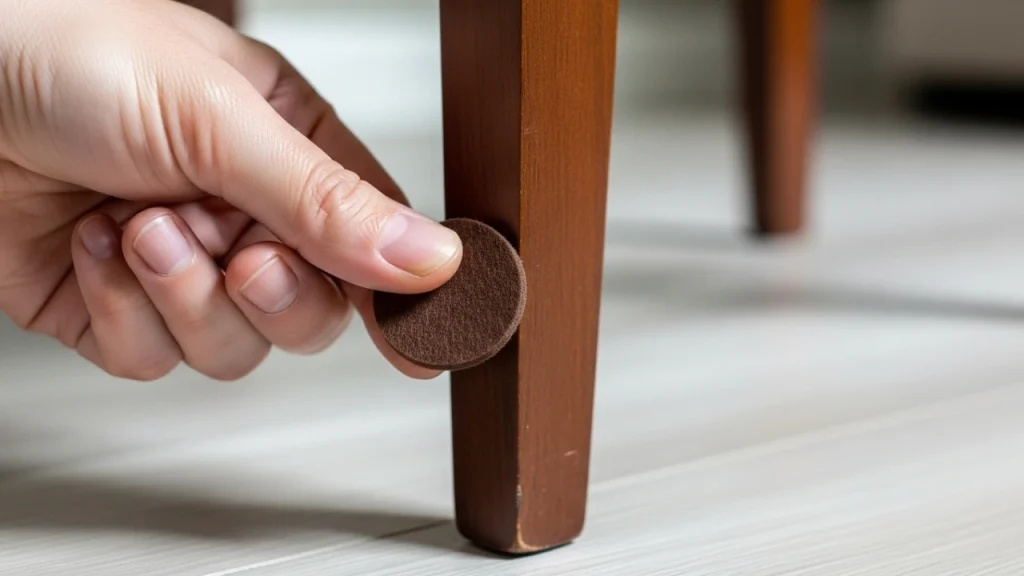
The best repair is prevention. Following these simple steps will protect your investment and minimize the need for future fixes.
- Use Furniture Pads: Place heavy-duty felt pads under all furniture legs, especially chairs and tables that are moved often. This is the single best way to prevent scratches and gouges.
- Lift, Don’t Drag: When moving heavy furniture or appliances, always lift them completely off the ground instead of dragging them across the vinyl floor.
- Use Doormats: Place high-quality doormats at all exterior doors to trap dirt, grit, and small stones that can act like sandpaper on your floor’s surface.
- Clean Regularly: Sweep or vacuum (with a soft brush attachment) frequently to remove abrasive debris. Mop with a pH-neutral cleaner designed for vinyl. Avoid harsh chemicals, ammonia, or abrasive scrubbers.
- Manage Sunlight: Use curtains or blinds to limit prolonged exposure to intense direct sunlight, which can cause fading over time.
- Address Spills Immediately: Vinyl is water-resistant, but it’s not waterproof. Clean up spills right away to prevent moisture from seeping into the seams and damaging the subfloor.
DIY Repair vs. Calling a Professional Fabricator
While many repairs are manageable for a dedicated homeowner, it’s important to know your limits.
Go DIY When:
- The damage is minor, such as a single light scratch, a small bubble, or one peeling corner.
- The damaged area is small and located in a less conspicuous part of the room.
- You have the correct tools and are confident you can follow the instructions carefully.
Call a Professional When:
- The damage is extensive, involving more than 2-3 planks or a large tear in sheet vinyl.
- You suspect water has damaged the subfloor (look for soft spots or discoloration).
- The repair requires specialized tools like an oscillating multi-tool that you don’t have.
- The vinyl flooring is a high-end luxury vinyl plank (LVP), and a flawed repair would be very noticeable and costly.
- You are dealing with a complex pattern that is difficult to align seamlessly.
Frequently Asked Questions (FAQ)
Can you repair a tear in vinyl flooring?
Yes. For tears in sheet vinyl, the best method is to cut a patch over the damaged area from a spare piece. Place the patch over the tear, align the pattern, and cut along through both the patch and the damaged vinyl floor simultaneously with a utility knife. Then, remove the damaged vinyl piece, apply adhesive, and press the new patch back into place, finishing with a seamless sealer.
How do you fix a peeling vinyl floor corner?
Clean the area thoroughly. Gently heat the corner with a hair dryer to make it flexible. Apply a thin layer of vinyl flooring adhesive to the subfloor with a putty knife. Press the corner down firmly and place a heavy weight on it for 24 hours to allow the adhesive to cure.
What glue is best for vinyl flooring repair?
It’s crucial to use a vinyl flooring adhesive. These are formulated to bond with the vinyl back and the subfloor and remain flexible. General-purpose glues will not work and may fail over time, especially with Sri Lanka’s temperature changes.
How do you remove scratches from a luxury vinyl plank?
For very light scratches, rubbing the area with a tennis ball or a melamine sponge can work. For deeper scratches, a dedicated vinyl floor scratch repair kit with a filler compound is the best option to fill the scratch and blend it with the surrounding flooring. This will restore your vinyl floor’s look.
Protect Your Investment
With these straightforward techniques, you can confidently fix most common types of damaged vinyl flooring. Taking care of minor issues as they appear prevents them from turning into major problems and helps restore your floors to their original beauty.
For extensive damage or if you’re not comfortable with a DIY repair, it’s always wise to call in a professional. A skilled installer has the specialized tools and experience to ensure a flawless result and restore the beauty and functionality of your vinyl floor.
If you’re facing a repair that seems too complex, don’t hesitate to contact a certified professional fabricator from our network.