Choosing between luxury vinyl flooring and ceramic tile for a bathroom involves balancing durability, cost, and maintenance. A head-to-head comparison reveals the pros and cons of LVT and ceramic tile for a Sri Lankan home, helping to decide which flooring material is the better option for your remodel.
LVT vs. Ceramic Tile: At a Glance
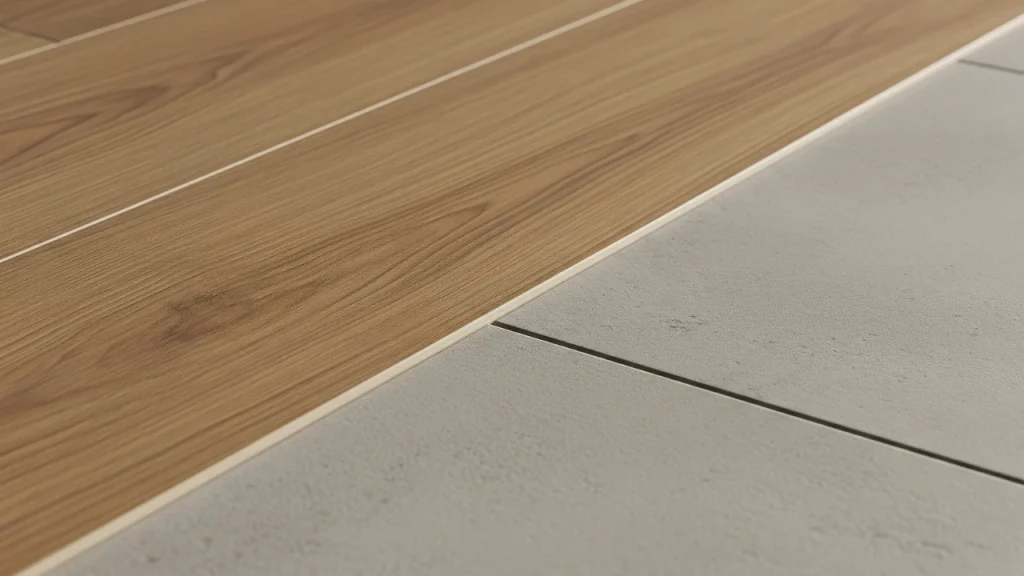
| Feature | Luxury Vinyl Tile (LVT) | Ceramic Tile | Winner |
| Lifespan | 10-20 years | 25-50+ years | Ceramic Tile |
| Waterproofing | 100% Waterproof Core | Waterproof Tile, Porous Grout | LVT |
| Average Cost | Lower (38% cheaper on budget end) | Higher | LVT |
| Comfort | Softer, warmer underfoot | Hard, cold underfoot | LVT |
| DIY-Friendliness | High | Low (Requires professionals) | LVT |
| Maintenance | Low (Simple cleaning) | High (Requires grout sealing) | LVT |
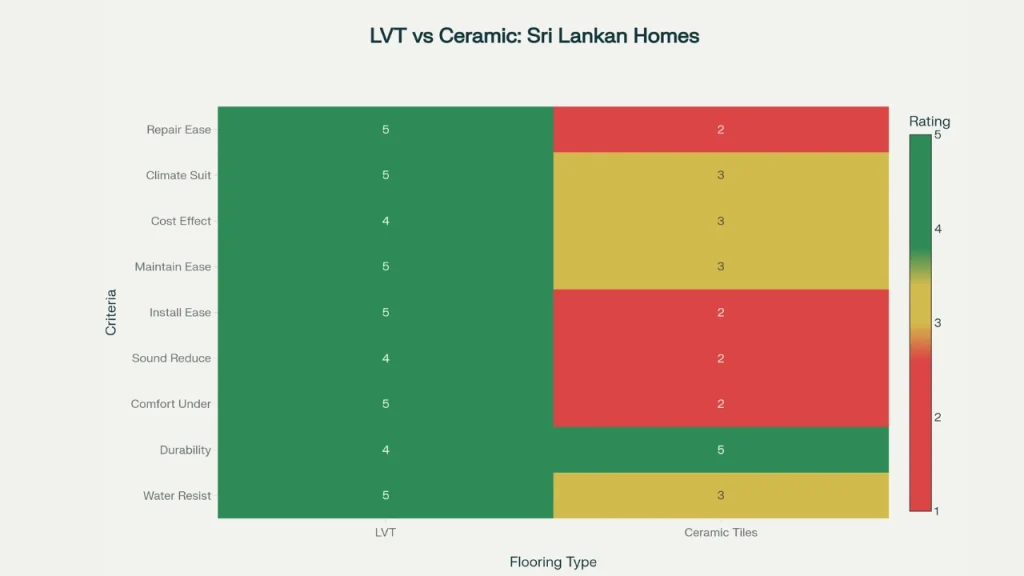
The Core Differences Between Vinyl Flooring and Ceramic Tile
Durability and Lifespan: A Battle of Flexibility vs. Hardness
Luxury Vinyl Tile (LVT) typically lasts 10-20 years. Its longevity is determined by the protective wear layer; a 12-20 mil layer is optimal for residential use in Sri Lanka. The flexible core of LVT gives it superior impact resistance, making the vinyl tile less likely to crack from dropped objects. Vinyl planks offer excellent durability.
A ceramic tile floor can last an incredible 25-50+ years with proper care. Ceramic tiles are incredibly durable. This makes the tile a long-term investment. However, its rigid nature makes it brittle and prone to cracking under heavy impact, which is a concern in climates with temperature fluctuations. A damaged tile can be difficult to replace.
Water Resistance: Why Grout is the Deciding Factor for Bathroom Tiles
LVT construction is 100% waterproof from the surface to the core. This complete water resistance is ideal for Sri Lanka’s high-humidity climate. This makes vinyl flooring a great choice for any bathroom.
While the ceramic tiles themselves are waterproof, the grout lines are porous and vulnerable. In Sri Lanka’s high humidity, grout can absorb moisture, leading to mold. Grout sealing is required every 1-2 years to prevent this, which is a key factor when comparing vinyl and ceramic tile. This is why for ceramic tile for bathrooms, maintenance is key.
Comfort and Feel Underfoot
Luxury vinyl plank flooring provides a softer, cushioned feel that is warmer to the touch. This reduces fatigue when standing for long periods. The comfort of vinyl flooring makes it ideal for a family bathroom.
Ceramic flooring feels very hard and cold underfoot, which can be uncomfortable, especially in air-conditioned rooms. While the tile stays cool in hot weather, its hardness can contribute to fatigue. There are many flooring types, but comfort is a major point of difference between vinyl tiles and ceramic.
Cost Breakdown: Vinyl and Ceramic Tile Head-to-Head in Sri Lanka
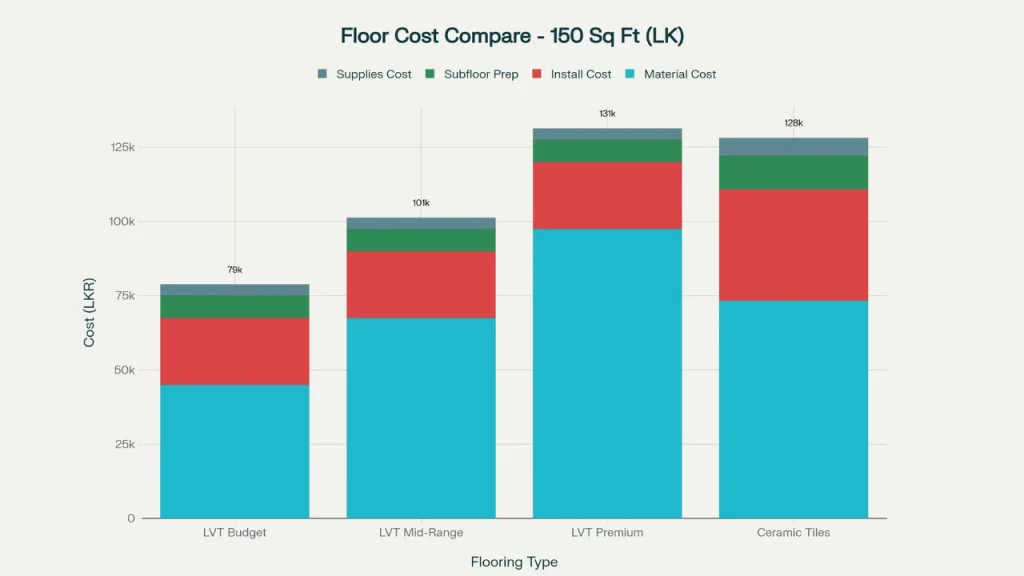
Material & Installation Costs for Your Remodel
Vinyl flooring material costs range from Rs. 300-700 per square foot. The ease of installation is high, with labour costs around Rs. 150 per square foot due to the simpler click-lock system.
Ceramic tile materials are similarly priced at Rs. 400-600 per square foot. Professional installing ceramic tile is more complex and expensive, costing Rs. 250-300 per square foot. A ceramic tile installation takes more time and skill.
A budget LVT project can be over 38% cheaper than a standard ceramic tile installation for a 150 sq ft room. The tiles cost more overall.
Long-Term Maintenance Costs
LVT requires simple sweeping and occasional mopping. There are no long-term resealing or re-grouting costs to keep clean.
A ceramic tile floor demands more intensive care, including regular grout scrubbing. Professional grout sealing costs approximately Rs. 400 per 100 sq ft every 1-2 years in humid areas. Get a precise quote for your project to understand the long-term cost of maintaining ceramic tile.
Design and Aesthetics: The Look of Vinyl Tile vs. Ceramic Tile
The Pros and Cons of Vinyl Aesthetics
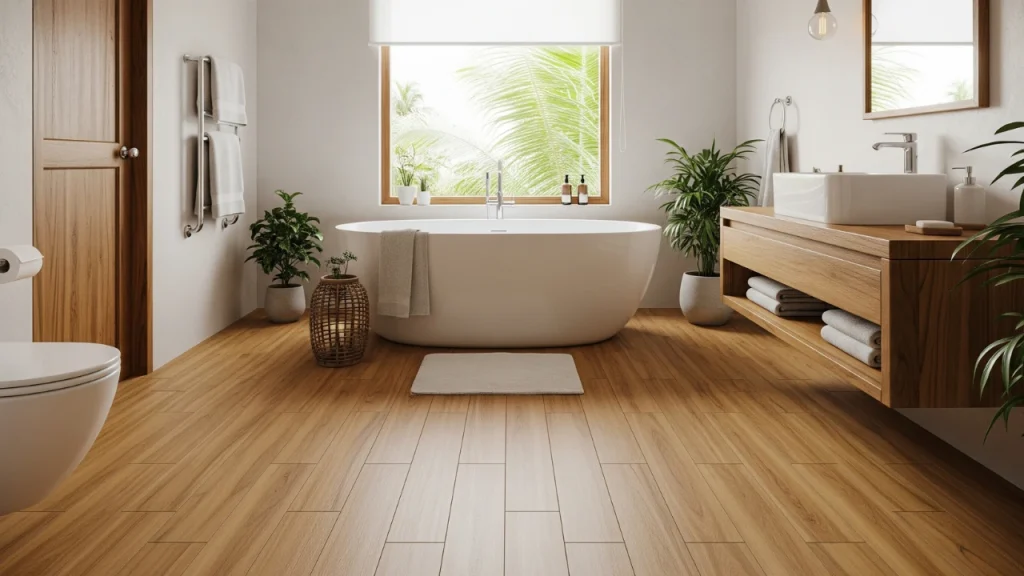
- Pros: LVT uses technology to convincingly mimic the look of materials like teak, mahogany, and polished concrete. The tight seams of vinyl planks create a modern, seamless look. You get the look of ceramic tile without the difficult maintenance.
- Cons: While realistic, some homeowners may prefer the authentic feel of a natural ceramic tile.
The Timeless Appeal of a Ceramic Tile Floor
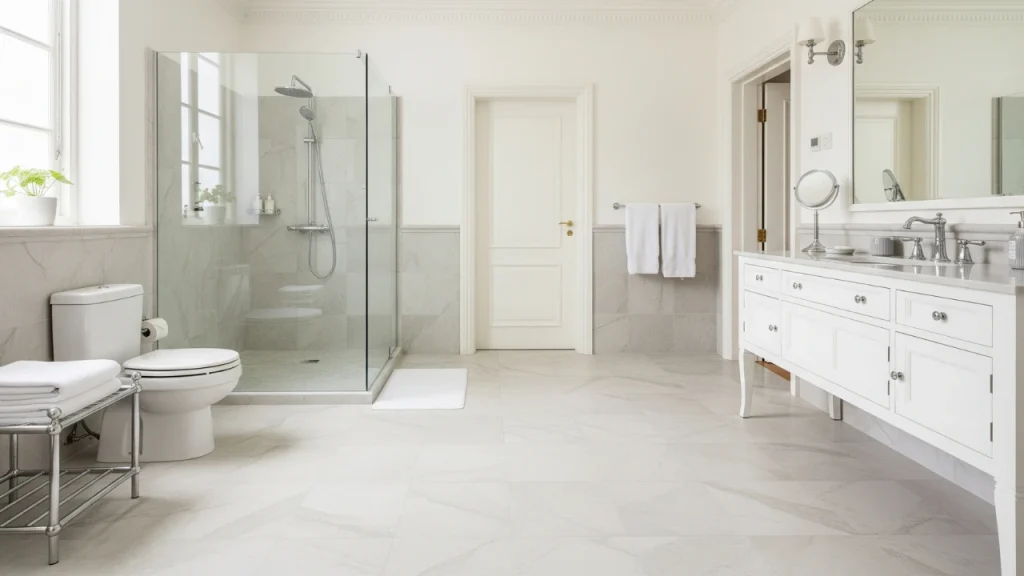
- Pros: A tile floor offers a timeless, elegant look with a vast range of colors and patterns. Large format bathroom tiles are a popular trend in Sri Lanka.
- Cons: The look is defined by grout lines, which can break up the visual flow and require upkeep.
- You can explore the latest bathroom design trends to see how both tile and vinyl flooring are used.
The Installation Process: DIY Luxury Vinyl Plank vs. Professional Ceramic
Comparing Installation Timelines and Mess
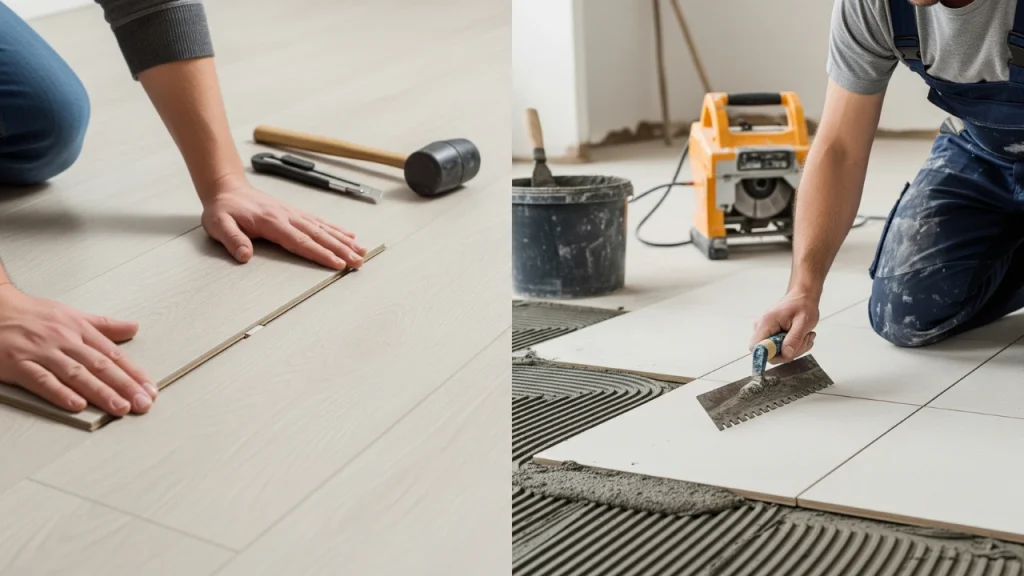
LVT for a 150 sq ft room can typically be installed in 1-2 days. The process is clean, generating minimal dust, making it perfect for a quick bathroom remodel. You can install it over an existing floor.
Installing ceramic for the same size room requires 3-5 days. The process of cutting tile with a wet saw creates significant dust and requires extensive cleanup.
Suitability for a DIY Bathroom Remodel
LVT is highly DIY-friendly. With basic tools, homeowners can get a professional result using the floating floor method with click-lock edges. Luxury vinyl tile is much easier to handle than ceramic tile.
Ceramic tile requires specialized tools. The skill needed for proper layout and grouting means ceramic tile installation is best left to professionals. The differences between vinyl flooring and ceramic tiles are most obvious during installation.
See our step-by-step installation guides for more details on different flooring material options.
The Final Verdict: Is Vinyl Tile Better Than Ceramic for a Bathroom?
Best for High-Humidity Bathrooms: Luxury Vinyl Tile
For bathroom flooring, LVT is the clear winner in a humid climate. Its 100% waterproof nature means you don’t have to worry about moisture damage. When choosing between vinyl and tile, water is the key.
When is Ceramic Tile for Bathrooms the Right Choice?
Choose ceramic tile if absolute longevity (50+ years) is your highest priority and you are prepared for the higher initial cost and ongoing grout maintenance. For durability, tile is a better option than many other flooring options.
Impact on Home Resale Value: Vinyl Plank Flooring vs. Tile Flooring
Both flooring and ceramic tiles are desirable to homebuyers, but they appeal to different priorities. The impact on resale value can vary.
Luxury vinyl flooring appeals to modern buyers looking for trendy, low-maintenance finishes. High-quality wood-look LVT is seen as a significant upgrade.
Tile flooring, which includes both standard ceramic and porcelain tile (a denser, more water-resistant type of ceramic), represents timeless, long-term durability. It signals a classic, high-quality installation to buyers, which can be a major selling point. A well-maintained ceramic tile floor has lasting appeal.
Frequently Asked Questions (FAQ)
What are the main cons of vinyl flooring?
The primary cons of vinyl flooring are its shorter lifespan compared to vinyl tile (10-20 years vs. 50+ years) and that it can be dented by very heavy furniture. While realistic, some buyers may still prefer the authenticity of ceramic tiles.
Which flooring is best for a bathroom remodel: LVT and ceramic tiles?
For most bathroom remodel projects, especially in Sri Lanka’s humid climate, LVT is the superior choice. Its waterproof protection, ease of installation, lower cost, and warmer feel make it more practical than ceramic tile, which requires constant grout maintenance.
How do the differences between vinyl flooring and tile impact families?
LVT is often a better option for families. Its softer surface can cushion falls, making it safer for children, and its superior sound dampening reduces noise. It is also easier to clean spills and is highly resistant to scratches.
Conclusion
For most Sri Lankan homeowners, luxury vinyl flooring (LVT) emerges as the more practical and cost-effective choice. It excels in water resistance, comfort, and ease of installation. While ceramic tile offers unparalleled longevity, its vulnerability to cracking and the constant need for grout maintenance in high humidity make LVT the smarter investment for a modern bathroom remodel. When deciding between vinyl flooring and tile, luxury vinyl tile is the modern, practical solution.
Ready to transform your home? Browse our extensive collection of luxury vinyl planks and tiles to find the perfect style, or contact our experts today for personalized advice.