A PVC ceiling is a modern, practical, and stylish solution that has become a top choice for homes and buildings across Sri Lanka. These panels, made from a durable plastic polymer, offer a superior alternative compared to other ceiling materials like wood, plaster, or gypsum, especially in the challenging local climate.
Their resistance to moisture, ease of installation, and affordability make them an ideal fit for today’s Sri Lankan households. The choice between PVC ceiling systems and other materials often comes down to durability in the face of the local climate.
A PVC ceiling panel system is essentially a lightweight dropped ceiling. It’s installed below the main concrete or wooden roof structure. This creates a clean, finished look that cleverly hides messy wiring, pipes, or structural imperfections while improving the room’s overall aesthetics and even its thermal insulation.
The popularity of PVC ceilings in Sri Lanka is directly linked to their ability to withstand the country’s high humidity, heavy monsoon seasons, and the constant threat of termites—problems that often damage other types of ceiling materials.
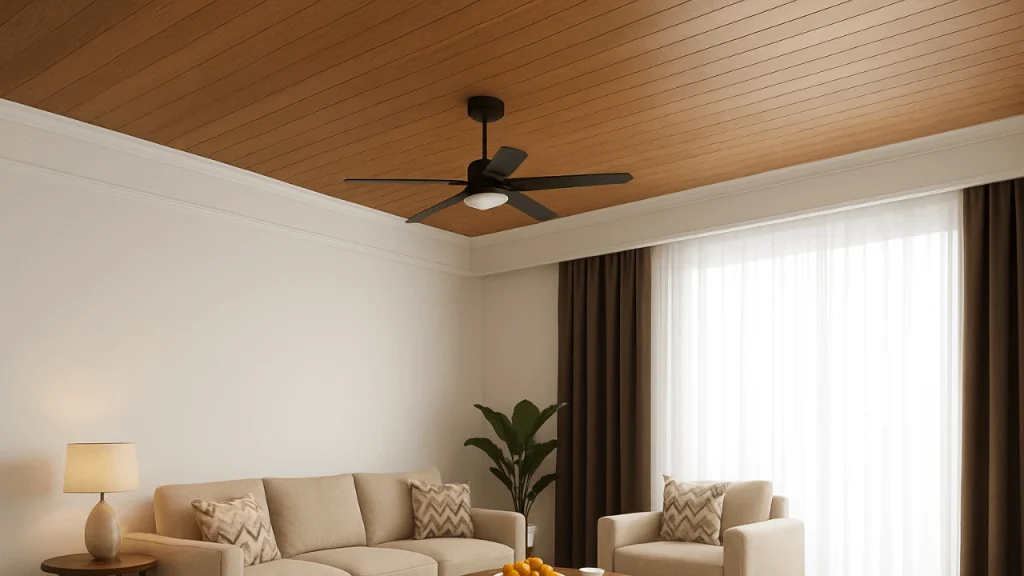
What is PVC?
PVC stands for Polyvinyl Chloride, a synthetic plastic polymer that is one of the most widely used plastics in the world. PVC is a synthetic material whose discovery dates back to the 1920s, and it has since become a staple in the construction industry due to its versatility and durability. The chemical formula for PVC is (C₂H₃Cl)n. It’s made of long chains of carbon, hydrogen, and chloride atoms.
Several key features of PVC make it an excellent material for ceiling applications:
- Lightweight yet Strong: With a density of 1.3 to 1.45 g/cm³, PVC panels are easy to handle and install pvc without putting excess strain on the building’s structure.
- Good Building Insulation: PVC has a low thermal conductivity, which means it helps keep rooms cooler by reducing heat transfer from the roof, contributing to energy efficiency.
- Durable: It has a high yield strength, ensuring the panels maintain their shape and integrity over time.
- Moisture Resistant: PVC does not absorb water, preventing swelling, rot, and the growth of mold or mildew.
- Electrical Insulation: Its high volume resistivity makes it a safe material for concealing electrical wiring.
Materials and Composition of a PVC Ceiling Panel
High-quality PVC ceilings are made from a precise blend of materials designed for optimal performance. Sivilima’s premium i-Panel PVC ceiling range is manufactured from a composite of 45% PVC and 55% calcium carbonate. This specific formulation creates a panel that is both rigid and lightweight. The manufacturing process adheres to ISO 2001-14001 certification, ensuring consistent quality and environmental management.
This composition results in panels with standout characteristics essential for the Sri Lankan climate:
- Lightweight: Sivilima’s i-Panel series weighs between 240g to 290g per square foot, making them much lighter than gypsum boards (also known as drywall), which can weigh 6-8 kg per square meter. The fact that pvc ceiling panels are lightweight is a significant advantage during installation.
- 100% Waterproofing: The panels are known for being completely non-porous. This feature is a major advantage during Sri Lanka’s monsoon seasons, as they will not get damaged by roof leaks or suffer from mold and mildew in humid areas like a bathroom or kitchen.
- Termite-Resistant: Unlike wood, a PVC ceiling is a synthetic plastic material, making it completely immune to termite and other insect attacks. This eliminates the need for costly pest control treatments.
- Low-Maintenance: Once installed, a PVC ceiling requires very little upkeep. The smooth ceiling surface does not attract much dust and panels are easy to clean with just a damp cloth, saving homeowners time and money on paint and repairs.
Sivilima’s Sizes, Types, and Designs
Sivilima offers a structured range of PVC ceiling panels under the i-Panel and i-Plus brands, each with specific dimensions and designs to suit different needs and budgets. All panels maintain a consistent thickness of 7.5mm for reliable quality. The development of pvc ceiling technology means there’s a wide range of design options available.
Official Sivilima Product Lines & Dimensions
The dimensions of the ceiling panels vary by product line to offer versatile design solutions:
| Product Line | Standard Dimensions | Best For |
|---|---|---|
| i-Panel Lite | 10ft / 12ft (Length) × 1ft / 30cm (Width) | General residential and commercial use. |
| i-Panel Heavy-B | 10ft (Length) × 20cm (Width) | High-traffic areas needing enhanced durability. |
| i-Panel Finishing | 4ft (Length) × 10cm (Width) | Creating borders, patterns, and detailed designs. |
| i-Plus B-Groove | 10ft / 12ft (Length) × 1ft / 30cm (Width) | Premium installations requiring a superior finish. |
Popular Wood and Modern Finishes
The types of PVC ceiling panels come in many styles. Wood-look panels are a very popular pvc ceiling design choice in Sri Lanka, providing the aesthetic of timber without the associated risks. With so many choices, there’s likely a pvc panel for every interior design scheme. Current popular finishes available at Sivilima include:
- Classic Woods: Burma Teak, Golden Teak, Danish Teak, Africa Teak
- Local Favourites: Kithul, Nadun
- Modern Tones: White Wood, Matte White, Silver Line
- Other Finishes: Some suppliers also offer patterns that mimic marble or provide a 3d pvc ceiling effect.
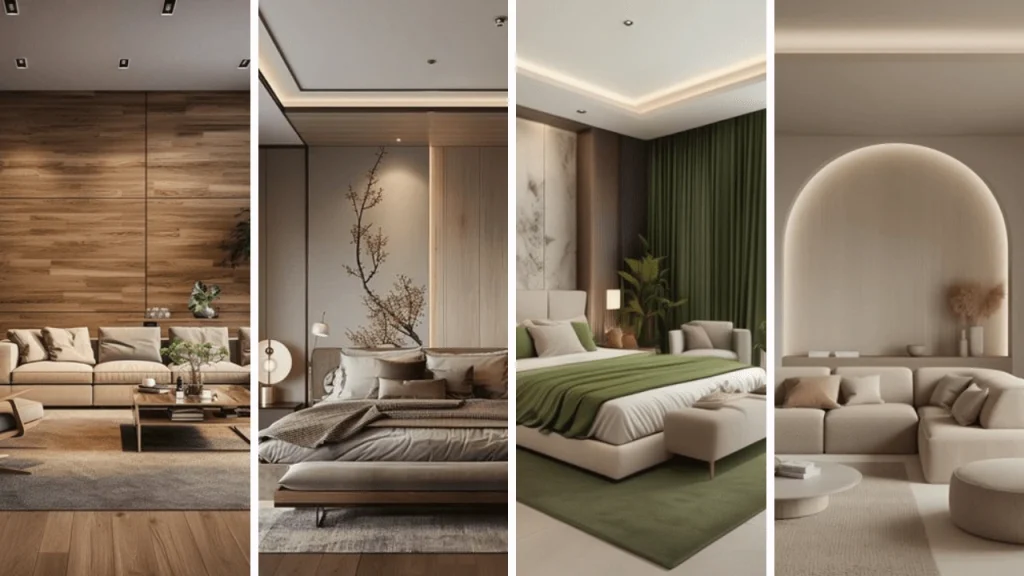
PVC Ceiling Installation
One of the significant advantages of a PVC ceiling is that the panels are relatively easy to install. The process is straightforward and quick, which reduces labour costs and minimizes disruption to the household. The fact that they are easy to install makes them a great choice for fast renovations.
The Basic Installation Process
The process for installing pvc ceiling panels is systematic and efficient.
- Framework Preparation: A supporting framework (grid) is created using metal or wooden battens. This frame is fixed to the main structural ceiling or existing ceiling, ensuring it is perfectly level.
- Panel Measurement and Cutting: The number of panels needed is calculated, and they are measured and cut panels to size using a fine-toothed saw or a utility knife.
- Panel Installation: The first panel is fixed into place. Subsequent panels are interlocked using their precision “X” Profile tongue-and-groove system, which ensures a secure and seamless fit.
- Fastening: Each panel is secured to the framework with corrosion-resistant screws hidden within the groove for a clean finish.
- Finishing Touches: Finally, trims and cornices are installed around the edges to give the ceiling a neat, professional look. Sivilima provides a full range of ceiling accessories.
Sivilima provides official, detailed instructions to guide installers. For a complete walkthrough on installing a pvc false ceiling, refer to the official Sivilima PVC ceiling installation guide.
Benefits of Using a PVC Ceiling
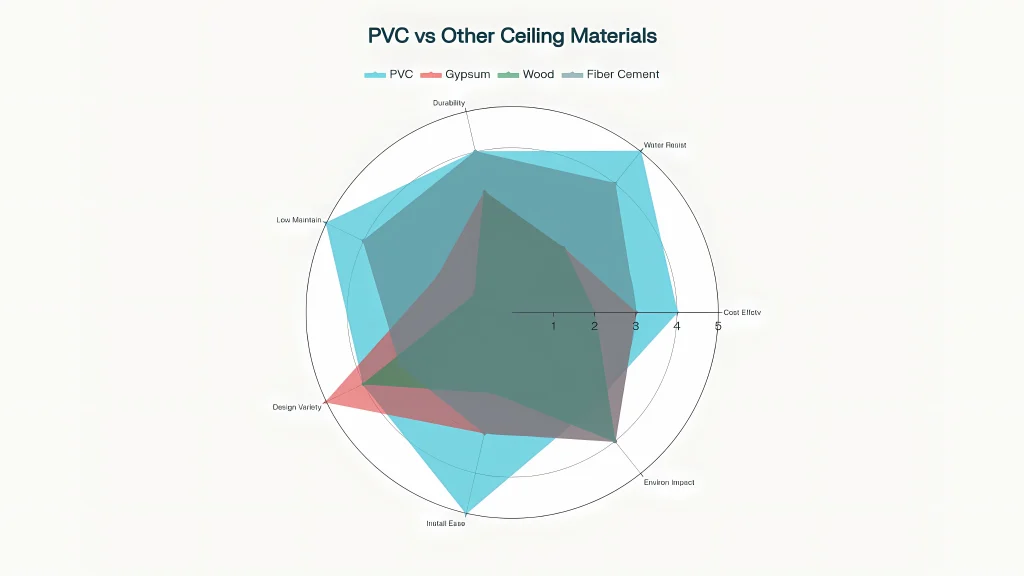
The advantages and disadvantages must be weighed, but the benefits are compelling. The pros and cons of pvc ceilings make them a practical choice for the Sri Lankan context. The pros of PVC ceiling panels are numerous.
Superior Resistance
- 100% Waterproof: This is perhaps the most significant benefit. PVC ceiling panels are highly resistant to moisture, making them a good choice for bathrooms, kitchens, and homes in coastal or rainy areas. They won’t warp, bubble, or grow mold.
- Termite-Proof: Being a synthetic material, PVC is inedible to termites, providing homeowners with complete peace of mind.
Easy Maintenance and Durability
- Low Maintenance: A PVC ceiling doesn’t require paint, varnishing, or any special treatments. Cleaning is simple, requiring only a gentle wipe-down.
- Long Lifespan: A high-quality PVC ceiling can last for many years without fading or cracking. Premium lines like the i-Plus series come with a 5-year manufacturer warranty, ensuring a durable, long-term investment. The ceiling panels are highly durable.
- Fire Retardant: Sivilima’s PVC ceiling panels have confirmed fire-retardant properties, meaning they do not help spread flames, which enhances safety.
Cost-Effectiveness
- Affordable: Both the material cost and installation cost of a PVC ceiling are generally lower than that of traditional wood or detailed POP ceilings. They are often more affordable than other ceiling materials.
- Long-Term Savings: The durability and low maintenance mean no recurring costs for repairs or repainting, leading to significant savings over the ceiling’s lifespan.
Disadvantages and Limitations of a PVC Ceiling
While pvc panels offer many benefits, it’s also important to be aware of their limitations. Understanding the pros and cons helps in making an informed decision.
Heat Sensitivity
One of the main disadvantages of PVC ceiling is its lower resistance to heat. PVC ceilings may deform at temperatures above 60°C. This means:
- Care must be taken when choosing light fixtures. High-heat halogen bulbs should be avoided. LED lights are a much better choice.
- They are not suitable for use in areas with very high heat, such as saunas or directly above some cooking appliances without proper ventilation.
Environmental Impact
As a plastic, PVC is not biodegradable. However, it is a recyclable material. Choosing pvc panels from manufacturers like Sivilima, who adhere to ISO 14001 environmental management standards, helps ensure responsible production.
Aesthetic Limitations
Although modern designs are very realistic, some people may find that a PVC ceiling has a slightly “plastic” appearance compared to the natural warmth of real wood. PVC ceiling panels may not offer the same premium feel as custom gypsum work. However, the variety of finishes has largely bridged this gap. A detailed comparison can be found in our guide on PVC ceiling vs POP ceiling.
PVC Ceiling Prices in Sri Lanka
The cost of PVC ceiling solutions is one of their most attractive features. Pricing is calculated per sheet, not per linear foot, making it easy to budget for a project based on your space.
Sivilima Official Price List (per sheet)
The cost of installing a pvc ceiling depends heavily on the chosen panel. Prices in the Sri Lankan market are structured by product line:
- i-Panel B-Groove Series: LKR. 2,090 per sheet
- i-Panel Heavy-B Series: LKR. 1,750 – LKR. 2,100 per sheet
- i-Panel Lite Series: LKR. 2,250 – LKR. 2,700 per sheet
- i-Plus B-Groove Series (Premium): LKR. 2,750 – LKR. 3,300 per sheet
Factors Affecting the Cost
The final price depends on several factors:
- Product Line: Premium lines like i-Plus cost more due to enhanced durability and superior finishes.
- Design and Finish: The complexity of the design influences the cost; a simple white panel is most affordable, while laminated wood-grain designs are priced higher.
- Installation Complexity: The labour cost will depend on the size of the room and the specific ceiling needs.
Best Use Cases for PVC Ceilings
Sivilima’s PVC panels are designed for a wide range of applications, including commercial, industrial, and residential settings.
Ideal Indoor Applications
- Bathrooms and Kitchens: Their waterproofing and easy-to-clean nature makes them the number one choice for these high-moisture, high-use areas.
- Living Rooms and Bedrooms: With the vast range of decorative and wood-look panels available, they can add a touch of elegance and style to any main living space.
- Commercial Spaces: Shops, offices, and restaurants benefit from the durability, low maintenance, and professional look of a PVC ceiling.
Indoor vs. Outdoor Use
PVC ceilings are primarily designed for indoor use. While pvc panels can be installed in covered outdoor areas like verandas or porches, they should not be exposed to direct, prolonged sunlight. The ultraviolet (UV) rays can cause the panels to become brittle and fade over time unless they are specifically treated for UV resistance.
Maintenance Tips for PVC ceiling
Maintaining a PVC ceiling is incredibly simple.
Cleaning Methods
- Regular Dusting: Use a soft cloth or a duster to remove loose dust every few weeks.
- Damp Wiping: For general cleaning, wipe the panels with a cloth lightly dampened with water once a month.
- Deep Cleaning: For stubborn dirt or kitchen grease, use a mild solution of soap and water.
What to Avoid
- Abrasive Cleaners: Do not use rough scouring pads, steel wool, or harsh chemical cleaners like bleach or acid, as they can scratch or damage the panel’s surface.
- Excessive Heat: Avoid using heat guns or exposing the ceiling to direct flames or high-temperature sources.
Conclusion: A Smart Choice for Sri Lankan Homes
For homeowners in Sri Lanka, a PVC ceiling is a smart, practical, and stylish investment. It directly addresses the biggest challenges of the local climate—humidity and termites—while offering significant cost savings within your budget. The ease of installation and minimal maintenance save both time and money.
With a long lifespan backed by warranties on premium lines and a vast array of design options to suit any interior design, PVC ceilings deliver on every front: durability, beauty, and value. They are an excellent alternative to traditional ceiling materials that provide a modern solution to timeless problems.
Ready to upgrade your home with a beautiful and durable ceiling? Explore the extensive range of high-quality i-Panel and i-Plus PVC ceiling solutions at Sivilima.lk. As Sri Lanka’s leading supplier, we offer premium designs, including authentic wood finishes, specifically engineered to thrive in the local climate. Visit Sivilima.lk to find the perfect PVC ceiling for your home and discover why thousands of Sri Lankans trust us for their building needs.