Choosing between carpet and vinyl flooring is a major decision impacting a home’s comfort, style, and budget. The chosen floor affects everything from daily cleaning routines to the long-term atmosphere of a living space. This breakdown of vinyl flooring vs carpet analyzes durability, cost, comfort, and maintenance to help homeowners confidently select the best flooring for any home, from the main living area to the basement.
Vinyl vs Carpet: A Quick Comparison for Your New Flooring
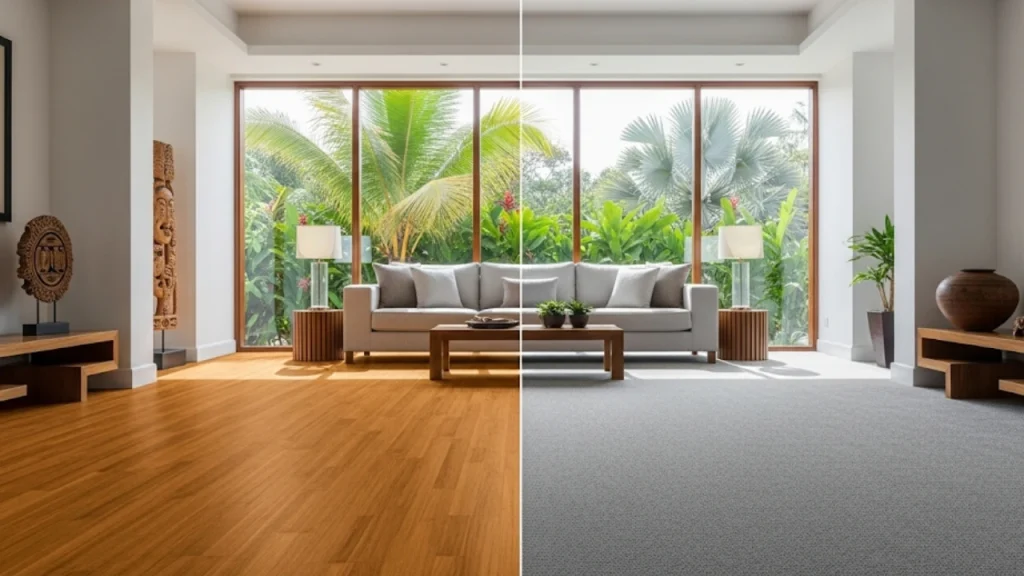
A quick look at the key differences between these two popular choice flooring options.
- Cost: Vinyl generally has a lower long-term cost due to minimal maintenance. Carpet may have a comparable initial cost but requires professional cleaning, increasing its lifetime expense.
- Durability: Luxury vinyl flooring is 100% waterproof and highly resistant to stains and wear, often lasting 15-25 years. The lifespan of a carpet is shorter (5-10 years), especially in high-traffic areas or humid Sri Lankan conditions.
- Maintenance: Vinyl is famously easier to clean with a simple sweep and damp mop. Carpet requires daily vacuuming and periodic deep cleaning to prevent stain and allergen buildup.
- Comfort: Carpet is unmatched for softness, warmth, and sound insulation. Vinyl is harder and cooler underfoot but can be softened with area rugs.
The Pros and Cons of Carpet and Vinyl Flooring
The Pros and Cons of Carpet Floor
- Key Advantages:
- Offers superior softness and warmth, making a living space feel cozy.
- Excellent for noise reduction, absorbing the sound of foot traffic and reducing echo.
- Provides a non-slip surface, a safety benefit for families with a child or elderly members.
- Key Disadvantages:
- Absorbs moisture, making it prone to mold and mildew in damp environments like Sri Lanka’s.
- Traps dust, pollen, and other allergens, which is a problem for anyone with asthma or allergies.
- Highly susceptible to staining from spills like tea or curry, often requiring intensive treatment. A deep stain on carpet can become permanent.
The Pros and Cons of Luxury Vinyl Flooring
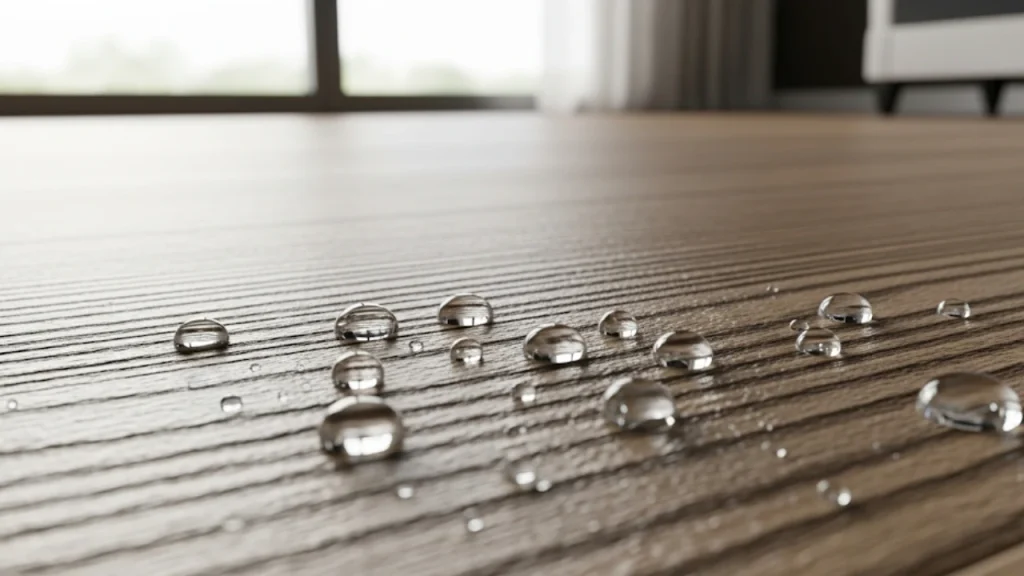
- Key Advantages:
- Completely waterproof, making it the perfect flooring choice for kitchens, bathrooms, and basements.
- Extremely durable and resistant to scratches, dents, and stains from common spills. Our Sivilima Gofloor vinyl flooring range offers excellent durability.
- Very low maintenance requirements, needing only a regular sweep and occasional mopping to look new.
- Key Disadvantages:
- Harder and can feel cold to touch compared to carpet.
- Can be difficult to remove if an adhesive is used for a glue-down installation.
- While high-quality luxury vinyl is tough, cheaper options can be punctured by sharp objects.
Cost Breakdown: Is Vinyl Cheaper Than Carpet?
Comparing Upfront Material & Installation Costs
When comparing carpet and vinyl, the initial cost can be surprisingly close.
- Vinyl Flooring: Entry-level vinyl sheets are very budget-friendly. Premium Luxury Vinyl Tile (LVT) or Stone Plastic Composite (SPC) options have a higher material cost but offer enhanced durability. A typical installation in Sri Lanka might range from LKR 564-875 per square foot.
- Carpet: The cost of carpet varies widely based on the fibre (like wool or synthetics) and brand. The total cost, including carpet installation, can range from LKR 600-1,900 per square foot.
- The Bottom Line: On an upfront basis, entry-level vinyl is often cheaper than carpet, but premium luxury vinyl planks can be comparable to mid-range carpet. The final cost and installation price will also depend on the condition of the subfloor and the complexity of the job, an important aspect covered in any good flooring installation guide.
Analyzing Long-Term Value
Vinyl floor proves more economical over its lifespan. With a life of 15-25 years and minimal costs beyond cleaning supplies, the investment holds its value. Carpet tends to need replacement every 5-10 years, especially in our humid climate. Add annual professional cleaning, and the long-term cost of a carpet floor becomes significantly higher.
Durability and Lifespan: A Key Factor in Choosing Between Carpet and Vinyl
Durability of Vinyl Floor
- Waterproof Performance: A vinyl floor is made of Polyvinyl Chloride (PVC), making it 100% waterproof. It won’t swell or warp, even during monsoon season. This makes it a superior flooring option.
- Wear and Tear: The protective wear layer on luxury vinyl flooring resists damage from pets, furniture, and daily foot traffic. You won’t have to worry about replacing this floor for a long time.
- Termite Immunity: As a synthetic material, vinyl offers complete resistance to termites, a major advantage for any Sri Lankan homeowner.
Durability of Carpet
- Moisture Vulnerability: Carpet absorbs humidity, which weakens its fibres and leads to premature matting.
- Stain Resistance: While some carpet is treated for stain resistance, it is inherently absorbent and can be permanently damaged.
- Wear Patterns: In high-traffic areas, carpet will show wear much faster than a hard floor like vinyl or tile.
Best Flooring for Your Basement: Carpet or Vinyl?
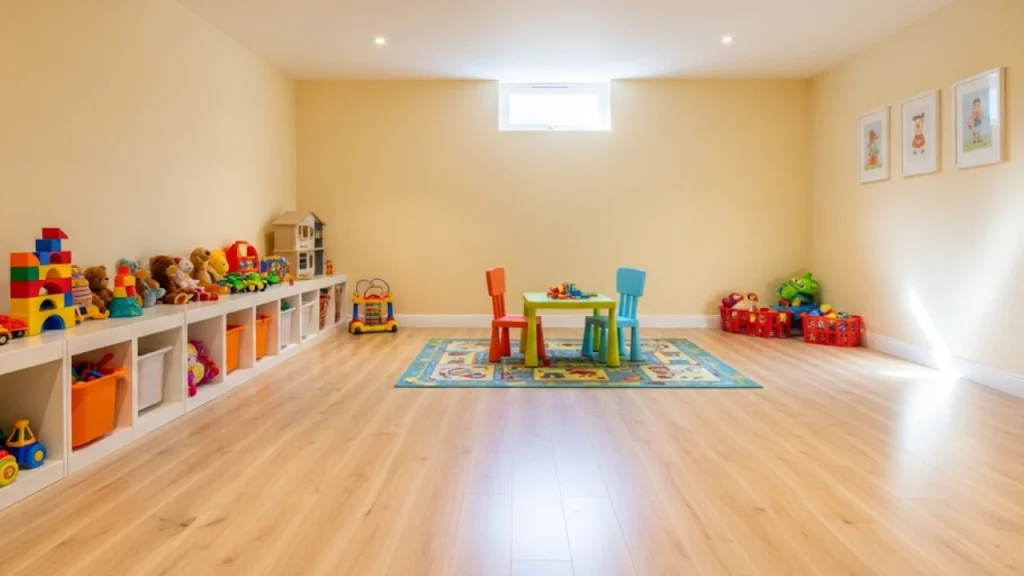
Why Vinyl is the Superior Choice for Basements
For any basement in Sri Lanka, vinyl flooring is the clear winner.
- Moisture Resistance: Basements are prone to dampness. Vinyl’s waterproof nature ensures it won’t be ruined by moisture, preventing mold. You do not need to install a moisture barrier underneath.
- Easy Maintenance: Cleaning up dirt in a basement is effortless with a vinyl floor.
- Durability: A vinyl floor can handle heavy furniture or gym equipment without showing significant wear.
The Risks of Installing Carpet in a Basement
Installing carpet in a basement is a significant risk. The inherent moisture can be absorbed by the carpet and padding, creating a breeding ground for mold and mildew. A damp basement carpet is nearly impossible to salvage and will likely require complete replacement.
Frequently Asked Questions (FAQ) about Carpet vs Vinyl
Is luxury vinyl flooring better than carpet?
For most situations in Sri Lanka, yes. Luxury vinyl flooring offers superior durability, is waterproof, vinyl is easier to maintain, and better for allergy sufferers. While carpet provides more comfort, vinyl’s practical benefits make it a better long-term investment for any room exposed to moisture.
What are the main disadvantages of vinyl flooring?
The main disadvantages are that it can be harder and colder underfoot than carpet. While high-quality vinyl plank flooring mimics materials like hardwood well, some people prefer the authentic feel of real wood flooring.
Which is healthier, carpet or vinyl flooring?
A vinyl floor is generally healthier. Its non-porous surface is easy to clean and doesn’t trap dust mites or other allergens. Carpet, on the other hand, can hold these allergens, aggravating asthma. A vinyl floor is the best flooring for a healthy home.
The Verdict: Should You Choose Carpet or a Vinyl Floor?
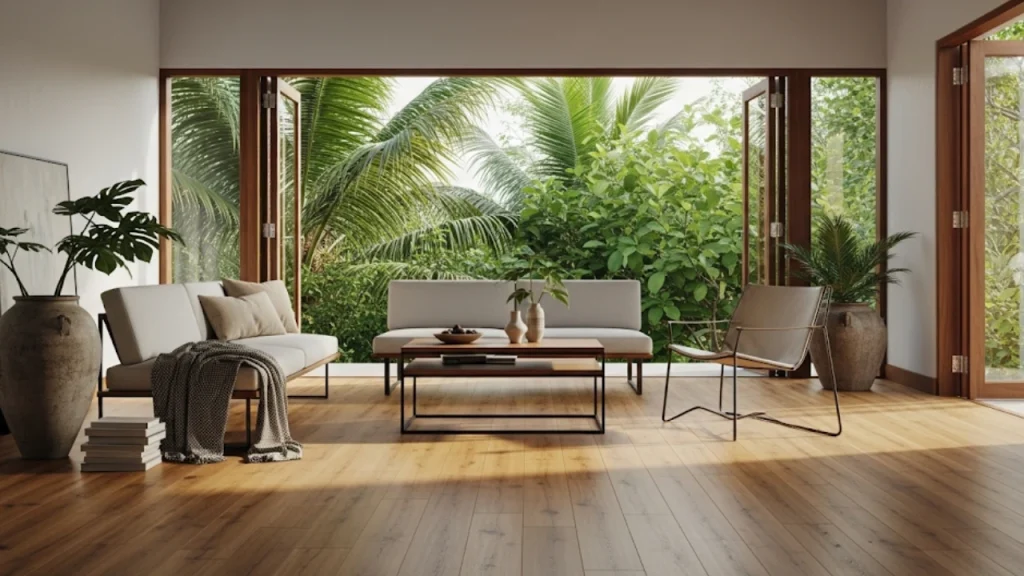
When choosing between carpet and vinyl, the decision rests on the room’s needs and lifestyle. For most Sri Lankan homes, vinyl flooring is the superior all-around choice. Its unmatched durability, waterproof properties, and low maintenance make it the winner for kitchens, bathrooms, basements, and living areas.
Carpet remains a good type of flooring for specific applications, like a fully air-conditioned bedroom or a quiet, low-traffic space where comfort and sound absorption are the top priorities.
Your Next Step
The best way for choosing the right flooring is to see the materials. Explore the wide range of colours and design options in the Sivilima Gofloor vinyl flooring collection online or visit a Sivilima showroom to feel the difference. 2For a professional finish, consider our matching skirting solutions. Get in touch with our experts for a quote on the perfect flooring for a home.