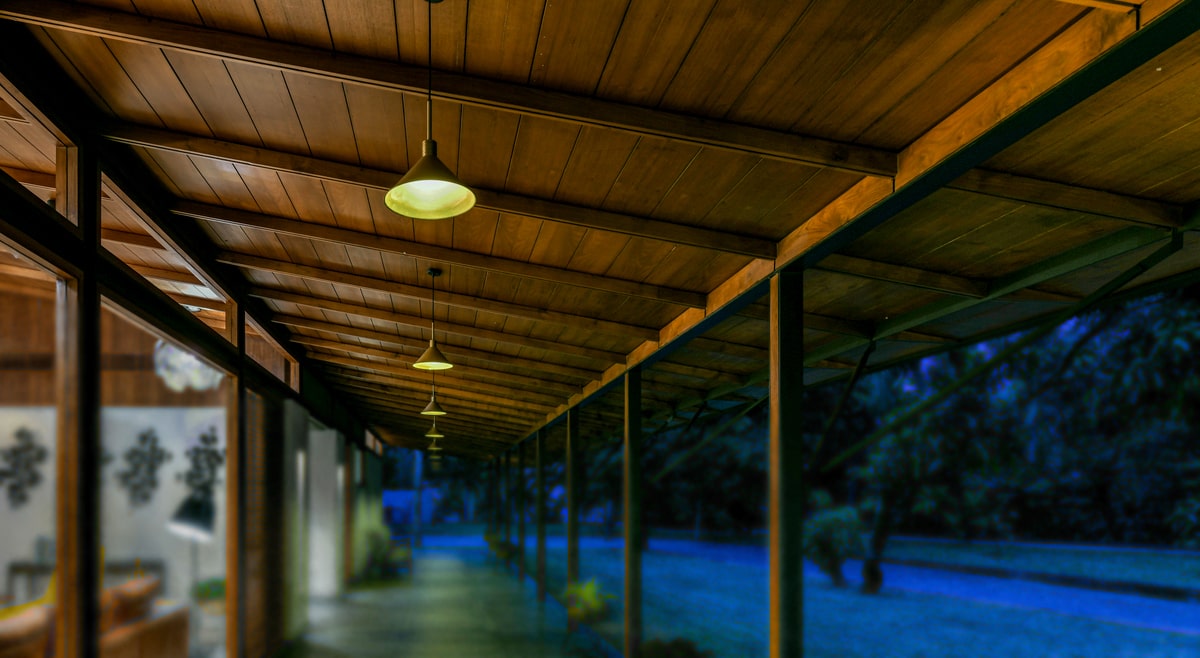
Pros of PVC Ceiling Panels?
Choosing the right ceiling material is a critical decision for any homeowner, especially in Sri Lanka’s challenging tropical climate. PVC ceilings have become a popular choice for a modern and affordable ceiling solution, but it’s essential to understand both their strengths and weaknesses.
This guide provides a balanced look at the advantages and disadvantages of pvc, helping you decide if this versatile ceiling material is the perfect fit for your home. We’ll cover everything from moisture resistance to the potential cons of pvc.
The Key Advantages of PVC Ceiling Panels in Sri Lanka
For homeowners weighing the benefits of pvc, the practical advantages in a tropical climate are significant. The key advantages of a pvc ceiling panel are clear when dealing with humidity and pests.
1. Unmatched Waterproof and Moisture Resistance
A pvc ceiling panel is 100% waterproof, making it the ideal ceiling material for high-humidity areas like a bathroom or kitchen. Its non-porous surface prevents the growth of mould and mildew, a common issue with traditional ceiling materials in Sri Lanka’s climate. During monsoon seasons, the pvc ceiling panel remains completely stable and is unaffected by moisture, unlike gypsum or wood which can sag and rot.
2. Superior Durability and Extremely Low Maintenance
With a typical lifespan of 15-25 years, pvc ceilings offer excellent long-term value and durability. They are completely immune to termite attacks, a major threat to wooden ceilings in Sri Lanka. Maintenance is simple; the ceiling requires only occasional cleaning. You just need to wipe with a damp cloth and mild detergent, with no need for painting. The low maintenance nature of the panels makes them a great long-term option.
3. Cost-Effectiveness: An Affordable Ceiling Solution
As a cost-effective ceiling solution, a pvc ceiling panel typically costs between LKR 120-250 per square foot, installed. The long lifespan and zero maintenance costs mean you save money over the years, making it a smart investment compared to materials such as wood.
4. Quick, Clean, and Easy to Install
Ceiling panels are lightweight and easy to handle, which makes them easy to install. The simple tongue-and-groove system makes the process fast and efficient. Unlike gypsum board ceilings, a pvc ceiling panel installation is a dust-free process, minimizing disruption in your home.
Understanding the Disadvantages of PVC Ceiling Panels
To make a truly informed decision, it’s crucial to consider the disadvantages of pvc ceiling panels. While they offer numerous benefits, they are not without limitations.
1. Heat Resistance Limitations
One of the main disadvantages of pvc ceiling is its sensitivity to high temperatures. PVC can soften and deform at temperatures above 60°C. This makes it unsuitable for installation near direct heat sources or non-LED light fixtures. It is important to avoid using heat-emitting bulbs with a pvc ceiling, as the heat can cause the panels to warp.
2. Aesthetic Considerations and Perceived Look
Despite significant improvements, some people find that pvc panels may have a “plastic” appearance compared to natural materials like natural wood. The seam lines between panels are also visible, which may not appeal to those seeking a perfectly smooth, seamless finish like that of a plastered ceiling.
3. Potential Health and Environmental Cons of PVC Panels
Low-quality pvc ceilings may release Volatile Organic Compounds (VOCs). It’s vital to choose reputable brands that meet low-VOC standards to ensure good indoor air quality. In a fire, pvc is a synthetic material that can release gases. While quality panels are fire-retardant, this is a valid safety concern. For a safe and environmentally friendly choice, you can view our eco-friendly i-Panel series.
PVC vs. Traditional Ceiling Materials: A Head-to-Head Comparison
Seeing how pvc ceilings stack up against other options provides a clearer picture of their value for your interior design.
| Feature | Sivilima i-Panel PVC | Gypsum / POP | Wood |
|---|---|---|---|
| Waterproof | Excellent | Poor | Poor |
| Termite-Proof | Excellent | Excellent | Poor |
| Maintenance | Very Low | High (Repainting) | Very High (Treating) |
| Installation | Clean & Fast | Messy & Slow | Moderate |
PVC Ceilings vs. Gypsum (POP) Ceilings
- Moisture: PVC is completely waterproof, whereas gypsum absorbs moisture, leading to sagging and mould in humid climates.
- Installation: PVC installation is cleaner and faster than messy and complex gypsum installation.
- Design: Gypsum offers unlimited design flexibility for custom shapes, while PVC is limited to pre-manufactured panel designs.
PVC Wall Panels & Ceilings vs. Wood
- Pest Resistance: A pvc ceiling panel is immune to termite attacks, while wood remains vulnerable.
- Durability: PVC does not warp or crack due to humidity changes, a common problem with wood. A pvc ceiling panel can last for years without warping or bending.
- Cost: Wood is significantly more expensive, both in initial cost and long-term maintenance, compared to the durable and long-lasting pvc ceiling panel.
Frequently Asked Questions (FAQ) About the Advantages of PVC Ceiling
Here are direct answers to the most common questions about the benefits of pvc.
Is a PVC ceiling good for bedrooms?
Yes, it is an excellent choice. The thermal insulation properties help maintain a comfortable sleeping temperature, and the wide variety of designs, including wood-grain finishes, can create a warm, inviting atmosphere. The low maintenance, dust-resistant surface also helps keep the bedroom clean.
Is a PVC ceiling suitable for kitchens?
Absolutely. A pvc ceiling is exceptionally well-suited for kitchens because it is 100% waterproof and can handle cooking steam. Its non-porous surface is easy to clean and resists grease, making it ideal for maintaining kitchen hygiene.
How long does a PVC ceiling last in Sri Lankan conditions?
A quality pvc ceiling panel, when properly installed, will typically last between 15 to 25 years. The durability and lifespan can be affected by the quality of the panel and direct sunlight exposure.
What are the main disadvantages of a PVC ceiling?
The main disadvantages of a pvc ceiling are its low heat resistance, its synthetic appearance, and the visible seams. It’s crucial to choose high-quality panels to avoid health concerns from VOC emissions.
Does a PVC ceiling help reduce heat?
es, a PVC false ceiling creates an air gap between your roof and the room, which acts as a layer of insulation. This can help reduce the amount of heat transferred from the roof, keeping the room slightly cooler and potentially lowering air conditioning costs.
The Final Verdict: Is a PVC Ceiling the Right Choice for You?
Ultimately, the advantages of pvc ceiling panels make them a superior choice for most Sri Lankan homes, particularly in moisture-prone areas like bathrooms, kitchens, and verandas. The combination of being waterproof, termite-proof, low maintenance, and cost-effective is hard to beat.
While you must consider the disadvantages of pvc ceiling panels, these can be managed by choosing high-quality products and using appropriate lighting. For a durable, long-lasting, and hassle-free ceiling, PVC is an outstanding investment.
Ready to transform your space? Explore our extensive range of i-Panel designs online or visit a Sivilima showroom near you to see and feel the quality for yourself.