Knowing how to install PVC ceiling panels is a great DIY skill for any homeowner in Sri Lanka. It’s a practical way to transform your interior with a stylish, modern, and long-lasting ceiling. This guide will walk you through the entire installation process, from choosing your materials to the final finishing touches, helping you achieve a professional look.
Why Choose PVC Ceiling Panels?
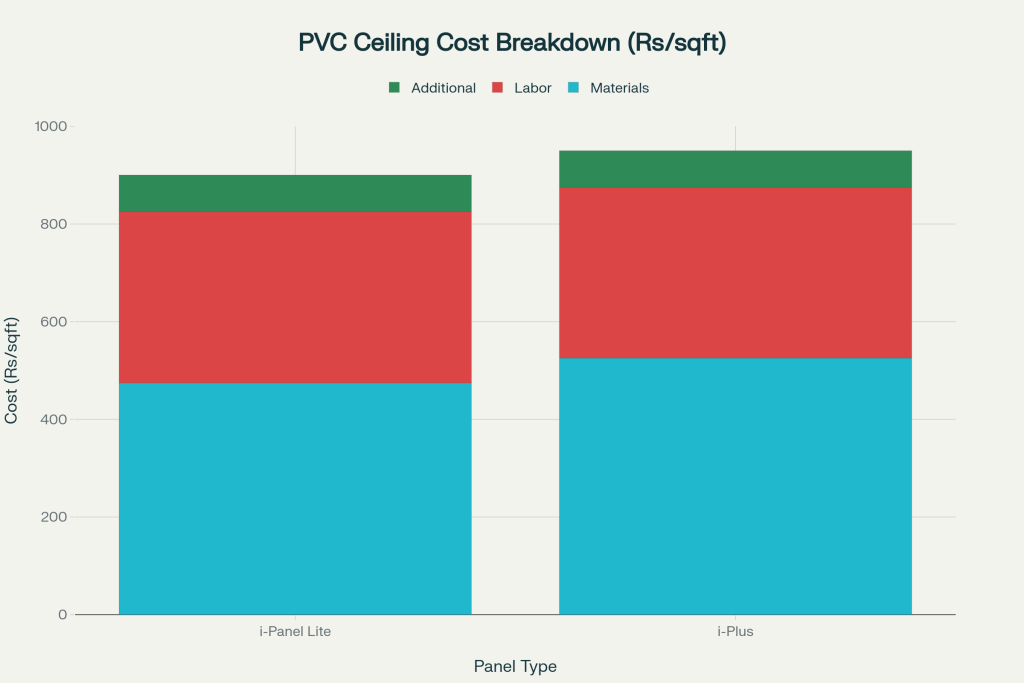
Compared to traditional materials like gypsum or wood, PVC ceiling panels are a popular choice in Sri Lanka for a few key reasons. Understanding these key advantages is the first step to making an informed decision for your home.
- Exceptional Durability: High-quality PVC panels are highly durable and can last for many years without warping or fading. Their durability and resistance to daily wear and tear make them a sound investment.
- Completely Waterproof: PVC is completely waterproof, making it the perfect choice for handling the humidity during the monsoon season, especially in areas like kitchens and bathrooms. This moisture resistance prevents mold and mildew growth.
- Easy Installation: The lightweight nature of the panels and the simple tongue-and-groove system allow for a quick and clean installation process. This ease of installation significantly reduces labour time and costs.
- Low Maintenance: A key benefit is that the ceiling sheets are very easy to clean. A simple wipe with a damp cloth is all that is needed to keep them looking new, requiring minimal maintenance over their lifespan.
- Versatility in Design: Sivilima offers a wide variety of designs, from a sleek and modern look to the rich texture of natural wood. You can find finishes that mimic traditional timbers like Burma Teak or Kithul, adding a touch of elegance to any interior design.
Tools & Materials You’ll Need for PVC Ceiling Installation
To get started, you’ll need the right tools and materials. Gathering everything beforehand ensures a smooth and professional installation.
Essential Tools
- Measuring Tape: For accurate measurements of the room and panels.
- Spirit Level: Crucial for ensuring the framework is perfectly level.
- Drill Machine: For fixing the framework and panels.
- Hacksaw or Utility Knife: For cutting the PVC panels to the required size.
- Screwdriver: For securing screws.
- Safety Equipment: Always use safety glasses and gloves.
Materials and Components
- PVC Ceiling Panels: Choose from the extensive Sivilima i-Panel ceiling range. The number of panels you need will depend on your room size.
- Framework: Galvanized Iron (GI) box bars are the standard in Sri Lanka for creating the ceiling grid.
- Screws: Self-tapping screws are needed to fix the panels to the framework.
- Finishing Accessories: U-corners, L-corners, and other mouldings give the installation a clean, finished look. You can find all necessary ceiling accessories at Sivilima.lk.
How to Install PVC Ceiling Panels in 5 Simple Steps
Following this guide will help you achieve a seamless and professional-looking ceiling.
Step 1: Prepare and Level the Ceiling Framework
The foundation of a good ceiling is a sturdy and level frame.
- Mark the Height: Decide on the final height of your PVC ceiling. Use a spirit level or water level to draw a precise, horizontal line around the entire room.
- Install Wall Angles: Fix the L-shaped GI wall angles along the marked line on all four walls. Secure them firmly with screws and wall plugs.
- Fix the Main Runners: Install the main GI bars, running them perpendicular to the direction you plan to install the ceiling panels. Suspend these runners from the original roof structure using galvanized wire or rods, ensuring they are perfectly aligned with your level line. The standard spacing between runners is 2 feet (600mm).
Step 2: Install the Cross-Sections
Create a grid by fitting the cross-sections between the main runners. These should also be spaced at 2-foot intervals, creating a 2ft x 2ft grid. This framework provides the necessary support for the lightweight ceiling panels.
Step 3: Cut and Prepare the First Panel
Measure the length required for your first ceiling sheet. Cut the panel to size using a hacksaw. For the very first panel that will sit against the wall, you will need to carefully trim off the tongue edge to ensure a flush fit.
Step 4: Fix the Panels Using the Tongue-and-Groove System
This is where the easy installation becomes apparent.
- Place the cut edge of the first panel into the wall angle.
- Secure the other side of the panel to the framework by driving a screw through the groove lip. This screw will be hidden by the next panel.
- Take the next panel, insert its tongue into the groove of the previously installed panel, and gently push it into place.
- Secure this panel with screws on its groove side. Continue this process across the room. For more technical details, you can refer to the Sivilima installation guide.
Step 5: Fit the Final Panel and Finishing Touches
The last panel will likely need to be cut lengthwise to fit the remaining space. Measure the gap carefully at both ends and cut the panel accordingly. You may need to use a bit of construction adhesive on the back edge to secure it, as screwing might not be possible.
Finally, install the U-corners or other decorative trims to hide the edges and any small gaps between the ceiling panels and the walls. This provides a clean, sophisticated look.
Common Mistakes to Avoid
- Improper Framework Leveling: This is the most common error. An uneven frame will result in a visually unappealing ceiling with gaps. Double-check all levels before installing panels.
- Visible Screws: Ensure all screws are placed on the hidden groove lip of the ceiling sheet. Visible fixings detract from the seamless finish.
- Forgetting Expansion Gaps: In a climate like Sri Lanka’s, materials can expand. Leave a tiny 4-5mm gap around the perimeter, which will be covered by the finishing trims.
Maintaining Your New PVC Ceiling
The low maintenance quality of a PVC ceiling is one of its best features. To clean, simply wipe the surface with a soft, damp cloth. Avoid using harsh chemicals or abrasive cleaners. This simple care ensures your ceiling remains a beautiful feature in your home for years to come.
This cost-effective option offers a perfect blend of durability, style, and practicality, making it an ideal choice for modern living in commercial spaces and homes alike.
Ready to Start Your Project?
Installing a PVC ceiling is a rewarding project that adds lasting value and style to your home. With the right materials and this guide, you can achieve a flawless, professional finish.
Explore our full range of i-Panel PVC ceiling sheets to find the perfect design, or visit your nearest Sivilima showroom to see the panels in person.